Here is a list of books related specifically to teaching writing online ordered by publication date. This list is not comprehensive by any means. If you'd like to suggest books to be added to this list, please fill out the form under the Connect page of this site with your article suggestion.
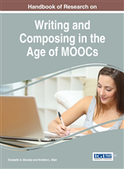
Blair, K., & Monske, E. (Eds.). (2016). Handbook of research on writing and composing in the age of MOOCs. IGI Global.
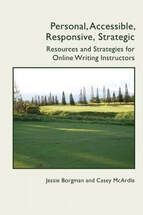
Borgman, J., & McArdle, C. (2019). Personal, accessible, responsive, strategic: Resources and strategies for online writing instructors. WAC Clearinghouse. https://wacclearinghouse.org/books/practice/pars
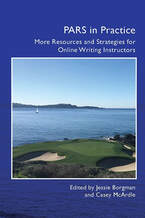
Borgman, J., & McArdle, C. (Eds.). (2021). PARS in practice: More resources and strategies for online writing instructors. WAC Clearinghouse. https://wacclearinghouse.org/books/practice/pars2
Borgman, J., & McArdle, C. (Eds.). (2023). PARS in charge: Resources and strategies for online writing program leaders. WAC Clearinghouse. https://wacclearinghouse.org/books/practice/pars3
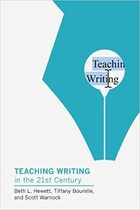
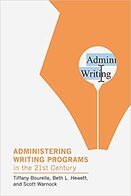
Bourelle, T., Hewett, B. L., & Warnock, S. (2022). Administering writing programs in the twenty-first century. Modern Language Association of America. MLA Link
Cicchino, A., & Hicks, T. (Eds.). (2024). Better practices: Exploring the teaching of writing in online and hybrid spaces. The WAC Clearinghouse; University Press of Colorado. https://doi.org/10.37514/PER-B.2024.2241
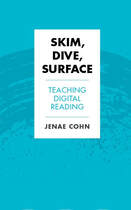
Cohn, J. (2021). Skim, dive, surface: Teaching digital reading. West Virginia University Press. https://muse.jhu.edu/book/83327
Cohn, J., & Greer, M. (2023). Design for learning: User experience in online teaching and learning (K. Costa, Foreword). Rosenfeld Media. rosenfeldmedia.com/books/design-for-learning
Cook, K. C., & Grant-Davie, K. (Eds.). (2005). Online education: Global questions, local answers. Baywood Publishing. Routledge link.
Cook, K. C., & Grant-Davie, K. (Eds.). (2013). Online education 2.0: Evolving, adapting, and reinventing online technical communication. Baywood Publishing. Routledge Link
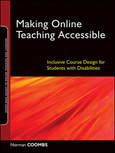
Coombs, N. (2010). Making online teaching accessible: Inclusive course design for students with disabilities. Jossey-Bass. Wiley Link
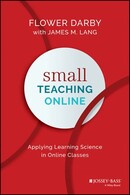
Darby, F., & Lang, J. M. (2019). Small teaching online: Applying learning science in online classes. Jossey-Bass. Wiley Link
Deane, M., & Guasch, T. (2015). Learning and teaching writing online: Strategies for success. Brill Sense. Brill Link
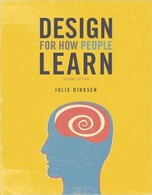
Dirksen, J. (2015). Design for how people learn (2nd ed.). New Riders. PeachPit Link
Garrison, D. R., & Vaughan, N. D. (2008). Blended learning in higher education: Framework, principles, and guidelines. Jossey-Bass.
Harrington, S., Day, M., & Rickly, R. (2000). The online writing classroom. Hampton Press.
Hewett, B. L. (2015a). Reading to learn and writing to teach: Literacy strategies for online writing instruction. Bedford/St. Martin’s.
Hewett, B. L. (2015b). The online writing conference: A guide for teachers and tutors. Utah State University Press.
Hewett, B. L., & DePew, K. E. (2015). Foundational practices of online writing instruction. Parlor Press.
Hewett, B. L., & Ehmann, C. (2004). Preparing educators for online writing instruction: Principles and processes. National Council of Teachers of English.
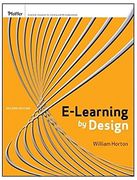
Horton, W. (2011). E-learning by design (2nd ed.). Pfeiffer.
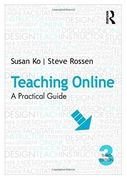
Ko, S., & Rossen, S. (2010). Teaching online: A practical guide (3rd ed.). Routledge.
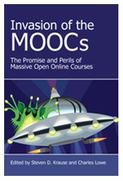
Krause, S. D., & Lowe, C. (2014). Invasion of the MOOCs: The promises and perils of massive open online courses. Parlor Press.
Mahaffey, C., & Walden, A. C. (2025). ACCESS: Accessible course construction for every student’s success. Routledge. https://doi.org/10.4324/9781003485476
Moore, M. G. (Ed.). (2013). Handbook of distance education (3rd ed.). Routledge.
Pacansky-Brock, M. (2012). Best practices for teaching with emerging technologies. Routledge.
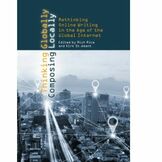
Rice, R., & St.Amant, K. (2018). Thinking globally, composing locally: Rethinking online writing in the age of the global Internet. Routledge.
Rodrigo, R. L., & Mitchum, C. (2024). Teaching literacy online: Engaging, analyzing, and producing in multiple media. National Council of Teachers of English. NCTE Link
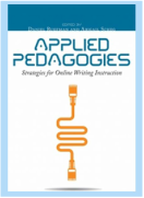
Scheg, A. G., & Ruefman, D. (Eds.). (2016). Applied pedagogies: Strategies for online writing instruction. IGI Global.
Skurat Harris, H., & Greer, M. (2024). Multimedia in the college classroom: Improve learning and connect with students in online and hybrid courses. Routledge. https://doi.org/10.4324/9781003446118
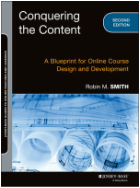
Smith, R. (2014). Conquering the content: A step-by-step guide to online course design. Jossey-Bass.
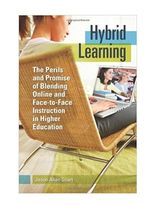
Snart, J. (2010). Hybrid learning: The perils and promise of blending online and face-to-face instruction in higher education. Praeger.
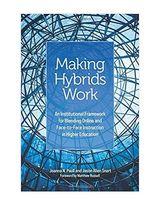
Snart, J., & Whetstone, J. P. (2016). Making hybrids work: An institutional framework for blending online and face-to-face instruction in higher education. Utah State University Press.
Stavredes, T. (2011). Effective online teaching: Foundations and strategies for student success. Jossey-Bass.
Vai, M., & Sosulski, K. (2011). Essentials of online course design: A standards-based guide. Routledge.
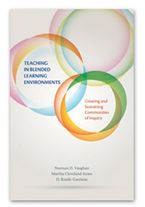
Vaughan, N., Cleveland-Innes, M., & Garrison, D. R. (2013). Teaching in blended learning environments: Creating and sustaining communities of inquiry. Athabasca University Press.
Warnock, S. (2009). Teaching writing online: How and why. National Council of Teachers of English.
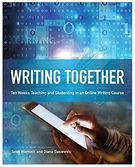
Warnock, S., & Gasiewski, D. (2018). Writing together: Ten weeks teaching and studenting in an online writing course. National Council of Teachers of English.
Borgman, J., & McArdle, C. (2019). Personal, accessible, responsive, strategic: Resources and strategies for online writing instructors. WAC Clearinghouse. https://wacclearinghouse.org/books/practice/pars
Borgman, J., & McArdle, C. (Eds.). (2021). PARS in practice: More resources and strategies for online writing instructors. WAC Clearinghouse. https://wacclearinghouse.org/books/practice/pars2
Borgman, J., & McArdle, C. (Eds.). (2023). PARS in charge: Resources and strategies for online writing program leaders. WAC Clearinghouse. https://wacclearinghouse.org/books/practice/pars3
Bourelle, T., Hewett, B. L., & Warnock, S. (2022). Administering writing programs in the twenty-first century. Modern Language Association of America. MLA Link
Cicchino, A., & Hicks, T. (Eds.). (2024). Better practices: Exploring the teaching of writing in online and hybrid spaces. The WAC Clearinghouse; University Press of Colorado. https://doi.org/10.37514/PER-B.2024.2241
Cohn, J. (2021). Skim, dive, surface: Teaching digital reading. West Virginia University Press. https://muse.jhu.edu/book/83327
Cohn, J., & Greer, M. (2023). Design for learning: User experience in online teaching and learning (K. Costa, Foreword). Rosenfeld Media. rosenfeldmedia.com/books/design-for-learning
Cook, K. C., & Grant-Davie, K. (Eds.). (2005). Online education: Global questions, local answers. Baywood Publishing. Routledge link.
Cook, K. C., & Grant-Davie, K. (Eds.). (2013). Online education 2.0: Evolving, adapting, and reinventing online technical communication. Baywood Publishing. Routledge Link
Coombs, N. (2010). Making online teaching accessible: Inclusive course design for students with disabilities. Jossey-Bass. Wiley Link
Darby, F., & Lang, J. M. (2019). Small teaching online: Applying learning science in online classes. Jossey-Bass. Wiley Link
Deane, M., & Guasch, T. (2015). Learning and teaching writing online: Strategies for success. Brill Sense. Brill Link
Dirksen, J. (2015). Design for how people learn (2nd ed.). New Riders. PeachPit Link
Garrison, D. R., & Vaughan, N. D. (2008). Blended learning in higher education: Framework, principles, and guidelines. Jossey-Bass.
Harrington, S., Day, M., & Rickly, R. (2000). The online writing classroom. Hampton Press.
Hewett, B. L. (2015a). Reading to learn and writing to teach: Literacy strategies for online writing instruction. Bedford/St. Martin’s.
Hewett, B. L. (2015b). The online writing conference: A guide for teachers and tutors. Utah State University Press.
Hewett, B. L., & DePew, K. E. (2015). Foundational practices of online writing instruction. Parlor Press.
Hewett, B. L., & Ehmann, C. (2004). Preparing educators for online writing instruction: Principles and processes. National Council of Teachers of English.
Horton, W. (2011). E-learning by design (2nd ed.). Pfeiffer.
Ko, S., & Rossen, S. (2010). Teaching online: A practical guide (3rd ed.). Routledge.
Krause, S. D., & Lowe, C. (2014). Invasion of the MOOCs: The promises and perils of massive open online courses. Parlor Press.
Mahaffey, C., & Walden, A. C. (2025). ACCESS: Accessible course construction for every student’s success. Routledge. https://doi.org/10.4324/9781003485476
Moore, M. G. (Ed.). (2013). Handbook of distance education (3rd ed.). Routledge.
Pacansky-Brock, M. (2012). Best practices for teaching with emerging technologies. Routledge.
Rice, R., & St.Amant, K. (2018). Thinking globally, composing locally: Rethinking online writing in the age of the global Internet. Routledge.
Rodrigo, R. L., & Mitchum, C. (2024). Teaching literacy online: Engaging, analyzing, and producing in multiple media. National Council of Teachers of English. NCTE Link
Scheg, A. G., & Ruefman, D. (Eds.). (2016). Applied pedagogies: Strategies for online writing instruction. IGI Global.
Skurat Harris, H., & Greer, M. (2024). Multimedia in the college classroom: Improve learning and connect with students in online and hybrid courses. Routledge. https://doi.org/10.4324/9781003446118
Smith, R. (2014). Conquering the content: A step-by-step guide to online course design. Jossey-Bass.
Snart, J. (2010). Hybrid learning: The perils and promise of blending online and face-to-face instruction in higher education. Praeger.
Snart, J., & Whetstone, J. P. (2016). Making hybrids work: An institutional framework for blending online and face-to-face instruction in higher education. Utah State University Press.
Stavredes, T. (2011). Effective online teaching: Foundations and strategies for student success. Jossey-Bass.
Vai, M., & Sosulski, K. (2011). Essentials of online course design: A standards-based guide. Routledge.
Vaughan, N., Cleveland-Innes, M., & Garrison, D. R. (2013). Teaching in blended learning environments: Creating and sustaining communities of inquiry. Athabasca University Press.
Warnock, S. (2009). Teaching writing online: How and why. National Council of Teachers of English.
Warnock, S., & Gasiewski, D. (2018). Writing together: Ten weeks teaching and studenting in an online writing course. National Council of Teachers of English.